
Start Well | Live Well | Age Well
June 2025
Introduction
Wandsworth – Our Health and Care Plan 2025-27
The Wandsworth Health & Care Plan 2025-2027 outlines the vision, priorities and actions to meet the health and care needs of local people, as well as to deliver improvements in their health and wellbeing throughout the course of life stages, categorised as; Start well, Live well and Age well. It is the two-year delivery plan linked to the Wandsworth Joint Local Health & Wellbeing Strategy (JLHWS) 2024-2029.
This is a refreshed plan, which is an update of the Wandsworth Health & Care Plan 2022-24. Health, social care, public health, voluntary, community organisations and residents across Wandsworth have helped to develop the plan, building on the positive achievements from the 2022-24 plan. The 2025-27 plan is very much a continuation of preceding initiatives, building those foundations and adapting to the current needs of the local population.
The plan represents; an ongoing shared commitment to working together, focusing on where we can add value and have the greatest impact. We share the responsibility to work collaboratively as part of an Integrated Care System; to prevent ill health, keep people well and support them to stay independent.
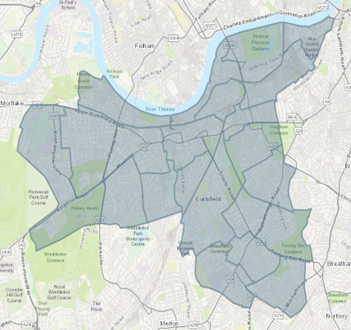
Our Community
Population
Wandsworth has a population of 334,103 (according to 2024 data).
Local People
Wandsworth has the second largest population in Inner London and among the youngest populations in London and the country (33 years).
The largest ethnic group in Wandsworth is White British. Almost 1 in 3 identify as Black, Asian, and Minority Ethnic, a lower proportion than the average for London and Inner London. The Black, Asian, and Minority Ethnic population is younger with a higher proportion of children and fewer older people. Wandsworth children’s population is 45% Black, Asian, and Minority Ethnic, compared to 30% in the whole population.
Life Expectancy
In general, people in Wandsworth live longer than the national average; however, life expectancy at birth and at 65 years of age tend to be higher in other London boroughs. Females in the borough live 3.6 years longer than males, but a recent decline in healthy life expectancy in women sees them spending longer in poor health than previously and spending longer in poor health than men.
Variations in life expectancy across the borough are driven by inequalities between more deprived and less deprived areas. These are most evident in the 60 to 79 age group and are mainly driven by cancer and cardiovascular disease.
Wards
Latchmere and Roehampton and Putney Heath are the two most deprived Wards in Wandsworth. This is in stark contrast to four least deprived Wandsworth’s Wards (East Putney, Balham, Thamesfield and Northcote).
Wandsworth performs well compared to other London boroughs for most indicators such as low pay, unemployment, and poverty. Only 11% of employed residents earn less than the London Living Wage – the joint lowest percentage in London. The unemployment ratio is the second lowest in London, at 3.5%. Additionally, the borough’s poverty rate of 22% is below the London average of 27%.
Our Vision
For Wandsworth to be a place where people are supported to live healthy, fulfilling lives in thriving communities.
We will work together to make a difference to the people of Wandsworth to ensure everyone:
- Has the same life chances, regardless of where they are born or live.
- Can live healthy, independent, fulfilling lives.
- Can be part of dynamic, thriving and supportive communities.
- Has equal access to health and social care services.
Start Well
What happens in early life affects your health and wellbeing as you get older. We want to make sure that all children and young people in Wandsworth have a good start to life and the right support to thrive and fulfil their potential.
Live Well
The health and wellbeing of our working-age population impacts not just individuals, but also families, workplaces, and communities. We will promote good health in adulthood, with the ambition of preventing the development of long-term conditions and disabilities, enabling people to live in good health for longer.
Age Well
We want to encourage active, resilient communities that promote healthy ageing and reduce loneliness and isolation for our older residents.
We will also support people to live at home independently and for as long as possible, including people with dementia.
Our Priorities – 19 steps
Start Well
1. Self harm and mental health
2. Childhood obesity
3. Childhood immunisations
4. A&E attendances, and hospital admissions caused by unintentional and deliberate injury.
Live Well
5. Adult Immunisations
6. Bowel cancer screening
7. Cervical cancer screening
8. Breast cancer screening
9. Type 2 Diabetes
10. Cardiovascular Disease
11. Air Quality
12. Climate Change
13. Physical activity and healthy eating
14. Alcohol
15. Smoking
16. Mental Health and Suicide Prevention
Age Well
17. Falls
18. Dementia
19. Social Isolation
There are three overarching core themes that feature across the life course – Integration, Health Inequalities and Prevention.
Our Health & Care Plan aims to show which strategic ambitions will be prioritised during the 2025-27 period, the key objectives linked to how we plan to achieve them and how progress will be tracked. Progress reports will be provided to the Wandworth Health & Care Partnership and the Wandsworth Health & Wellbeing Board.

Step 1: Self harm and mental health
Our Joint Local Health & Wellbeing Strategy 2024-29 says:
Mental health problems affect about 1 in 5 children and young people. They include depression, anxiety and conduct disorder and often are a direct response to what is happening in their lives. An estimated 2,800 children aged 5-16 have mental health disorders in Wandsworth. As demand is going up, there is a need to shift the focus in mental health provision towards early intervention and prevention.
Further information can be found in the JSNA and this link will provide information on Mental Health Needs Assessments.
Our Wandsworth Health and Care Plan 2025-27:
In 2025-27, we will focus on strengthening mental health support and resilience within our communities, for children and young people. We will work to prevent mental disorders and foster community well-being, ensuring that all schools and colleges have access to dedicated Mental Health Support Teams. A key ambition is consolidating whole-school approaches to enhance mental health and well-being, alongside actively promoting self-harm and suicide prevention toolkits to schools, parents, young people, and frontline staff. By implementing these measures, we aim to reduce self-harm and suicide among children and young people while creating a more supportive and proactive mental health environment.
| Strategic Ambition 2024-29 | Key Objectives 2025-27 | Expected Outputs 2025-27 |
| Promoting the self-harm and suicide prevention toolkits to schools, parents, children and young people and frontline staff to support a reduction in self-harm and suicide among children and young people. | The Portus Self-harm pathway and toolkit promoted. Develop a comprehensive communication strategy, evaluating the impact of the resource on schools and colleges and develop a Special Educations Needs and Disability (SEND) section. Learn more about the Portus toolkit. | A communication strategy will be developed by Quarter 1 2025/26. Portus SEND guidance completed July 2025 which will inform next steps. |
| Provide appropriate support and safety planning to enable children and young people to recover from psychological distress, self-harm and suicide ideation. Provide evidence-based training for 25 school staff across 6 secondary schools to support personalised safety planning with pupils. | 50% of schools in using the Portus toolkit resources and Portus by July 2026. Increased the number of young people with co-produced and personalised safety-plans by 50% each by July 2026. | |
| Consolidating whole school approaches to improve the mental health and well-being of children and young people. | Develop a revised service specification for Mental Health Support Teams (MHST) to include a focus on reducing Emotionally Based School Non-Attendance. | Complete the redesign of MHST service model and specification to procure consistent and equitable offer across South West London by March 2027. 100% of schools can access a Mental Health Support Team (Baseline- April 2025- 80%/62 state schools /colleges). Increase in Children and Young People (CYP) access. |
| Preventing mental disorders and improving community resilience. | Publish a new Public Mental Health Strategy to be approved by Committee November 2025. | Published Mental Health Strategy to be approved by Committee November 2025 |
| Develop and deliver a range of evidence-based programmes e.g. Promoting alternative thinking strategies (PATHS), Place2Be, drama therapy in schools. | Improvement in mental wellbeing of Children and Young People (CYP) to be measured using provider report outcome measures. Achieve consistent improvements (55%) in Concentration and Attention ; Reduce aggressive and disruptive behaviour by 55%. |
Step 2: Childhood Obesity
Our Joint Local Health & Wellbeing Strategy 2024-29 says:
The National Child Measurement Programme (NCMP) tells us that more than 1 in 5 children in England are obese or overweight by the time they start primary school. This rises to one third by the time they are aged 11 years. When compared to other London Boroughs, Wandsworth has the third lowest number of children overweight and obese at reception. By the time they reach year 6, Wandsworth is the fifth lowest in London. Whilst overall this is encouraging, we can always do better.
Further information on this topic can be found in the JSNA.
Our Wandsworth Health and Care Plan 2025-27:
We will focus on increasing promotion and support for breastfeeding and healthy weaning to improve infant health outcomes. This includes delivering an enhanced breastfeeding service to provide better support for local families. Additionally, we aim to support three Family Hubs in achieving Stage 1 UNICEF Baby Friendly Initiative accreditation, while promoting a local breastfeeding-friendly scheme to businesses and venues.
Simultaneously, we are committed to reducing childhood obesity and enhancing children’s health outcomes through various initiatives. This includes delivering a Family Weight Management Programme and analysing local National Child Measurement Programme data to identify demographics at risk of obesity. We will support and monitor the Healthy Schools London programme, encouraging physical activity and healthy eating. To make exercise more accessible, we will roll out free and discounted leisure centre access, provide free swimming for Wandsworth children on free school meals, and invest in leisure facilities and parks through 2025-2030. In doing so, we aim to embed Wandsworth’s legacy as the best place to play, ensuring all children, young people, and families—regardless of age, needs, or socio-economic background—have access to fun and inclusive play opportunities.
| Strategic Ambition 2024-29 | Key Objectives 2025-27 | Expected Outputs 2025-27 |
| Increasing promotion and support for breastfeeding and healthy weaning. | Deliver enhanced breastfeeding service by Central London Community Healthcare Trust (CLCH) to enhance the breastfeeding support for local families. Public health profiles for child and maternal health data can be seen here, with breastfeeding data at 6-8 weeks available here. | Breastfeeding prevalence to be within or above regional and national prevalences. Locally, the target is for 95% of infants to be totally or partially breastfed at 6 – 8 weeks (after birth) per quarter, every year. To remain below the national breastfeeding rate annually (currently 52.6%). |
| Supporting 3 Family Hubs to achieve their stage 1 UNICEF Baby friendly initiative. | Stage 1 accreditation by April 2026, in Battersea, Tooting and Roehampton. The training and resources made available will mean stronger service provision via the Family Hubs. Quarterly baby friendly operational group meetings to support the Family Hub’s UNICEF Accreditation process and to work collaboratively to improve the uptake and continuation of breastfeeding in families. | |
| Promote the local breastfeeding friendly scheme to local venues and businesses. | Minimum of 50 businesses to be signed up to the Breastfeeding Friendly Scheme by the end of 2025. | |
| Reducing the prevalence of childhood obesity and improving children’s health outcomes. | Delivery of the Family weight management programme delivered by CLCH as part of 0-19 service. | Public Health Team to lead on the review of this service (in relation to national guidance for tier 2 weight management services), to be completed by June 2025. This work will inform future service improvements. To remain below the London and National averages for obesity. To continue to work towards to the reduction of childhood obesity in Wandsworth by monitoring: Reception (4-5 years) prevalence of obesity (including severe obesity) via NCMP data annually Year 6 (10 -11 years) prevalence of obesity (including severe obesity) via NCMP data annually |
| Reducing the prevalence of childhood obesity and improving children’s health outcomes. | Support and monitor the uptake of the Healthy Schools London programme. This includes support around physical activity and healthy eating policies and promotion of the ‘Daily Mile’. | Target for 15% of schools to be offered support to achieve / renew the Healthy School award or receive support in other Public Health initiatives. Target for 80% of youth sessions to be focused on health eating by 2027. Reporting will be quarterly. |
| Roll out of free and discounted access to leisure centres to reduce barriers to sport and physical activity (as part of the ‘Access for All’ scheme). | ‘Access for All’ scheme will break down barriers and make sure all Wandsworth residents have an equal chance to access local opportunities, with discounts and offers on sports and leisure, education, great days out and other essential services. Ongoing through 2025-27. Eligibility information: Eligibility for Access for All – Wandsworth Borough Council | |
| Offer of free swimming to all children in Wandsworth on free school meals. | Free swimming lessons for Wandsworth children during the Easter holidays in 2025. Children in school years 2 to 7 are eligible, who are currently unable to swim for 25 metres. | |
| Development of investment programme to improve leisure facilities and parks from 2025 -2030 | This is an ongoing activity from 2025-2030 | |
| Embedding Wandsworth’s legacy as best place to play. | Every child being within walking distance of good quality play facilities by 2026. | |
| Access for all children, young people and families to fun and inclusive play opportunities within Wandsworth, no matter their age, needs, or socio-economic background. | Linked to the above expected outcomes, ‘Access for All’ has been launched (2025), which includes: FREE swimming crash courses for children in school years 2-7 who are not able to swim 25 metres. More information available. Free off-peak membership to Wandsworth gyms and leisure centres, and peak sessions can be accessed for £2.50 for under-18s. More information available.Play packs for Access for All and families in temporary accommodation Wandsworth has launched ‘Year of Play’ which harnesses the power of its status as London Borough of Culture in 2025 to drive forward the vision for play described in the new the three year play strategy. We will promote inclusive play opportunities as part of this work. |
Step 3: Childhood Immunisations
Our Joint Local Health & Wellbeing Strategy 2024-29 says:
As highlighted in the latest JSNA, Wandsworth performed lower than the national average across all immunisation programmes. Vaccination coverage was lower than the benchmark goals for the first dose of MMR (in 5-year-olds), flu, and PPV (Pneumococcal Polysaccharide Vaccine). The borough faces challenges with regards to uptake due to high population mobility, increasing population and vaccine hesitancy. There is a need to work collaboratively to help increase the uptake, coverage and to reduce inequalities.
Further information on this topic can be found in the JSNA.
Our Wandsworth Health and Care Plan 2025-27:
We will prioritise improving community engagement to address health inequalities; by developing outreach programmes in collaboration with public health, Healthwatch, and voluntary sector organisations, to support seldom-heard groups in accessing vaccinations. A ‘Population Health Management’ approach will be used to analyse data and identify gaps in vaccine uptake. These initiatives will be supported by intelligence from deep-dive public health research, collaboration with community leaders to disseminate multilingual vaccination messaging and targeted campaigns to boost uptake in communities with lower coverage. Outreach clinics, engagement programmes in children’s centres and surveillance of vaccine-preventable diseases will be key strategies. Additionally, we will implement vaccine hesitancy training for frontline staff and practice teams, support vaccination clinics during outbreaks and offer enhanced resources to practices with lower uptake levels. Our commitment extends to advocating for improved availability and quality of vaccine inequality data, ensuring more effective strategies to address disparities in immunisation access.
| Strategic Ambition 2024-29 | Key Objectives 2025-27 | Expected Outputs 2025-27 |
| Improve community engagement to address inequalities. Develop outreach programmes based on joint working with public health, Healthwatch, and voluntary sector and community groups, to support seldom-heard groups to get vaccinated and tackle health inequalities. | Building on intelligence from the Annual Director of Public Health deep dive work to inform engagement with our communities to improve vaccine uptake. | Development of a Wandsworth immunisation action plan with key stakeholders, using intelligence from the Moving the Mountain Annual Director of Public Health Report, by 2027. Development of a SWL sub-regional plan for implementing the National and London Immunisation Strategy by Summer 2025. This work will inform further actions in this area. |
| Targeted campaigns to support vaccination uptake in communities with lower coverage. | SWL ICB to deliver a comprehensive communications and engagement strategy, including community conversations, targeted digital marketing and translated materials, using data to inform approach with priority communities in 2025/26. | |
| Deliver Vaccine Hesitancy training for practice staff on difficult conversations to support engagement with vaccine hesitant parents. Offer additional support and resources to practices with lower levels of uptake. Work with voluntary sector and Community Engagement leads to cascade vaccination messaging and information, in multiple languages, via various channels. | Completion of the Vaccination Hesitancy Making Every Contact Count (MECC) e-learning module by frontline staff in the Council, primary care and VCS that work with parents and families. Target: 100 completions by 2026. | |
| Improve access to better quality data to help identify gaps. Using a population health management approach to understand groups with lower uptake. | Review available data on vaccine coverage to identify groups with lower uptake and inform targeted inequalities work e.g., delivering vaccinations via outreach clinics. | Identification of GP practices with the lowest immunisation uptake rates in Wandsworth, to be completed in 2025/26. Practices with lowest immunisation rates will be supported by Immunisation Coordinators. Data will help inform delivery of vaccinations via outreach clinics. |
| Improve accuracy of GP immunisation records & advocating for improvements to the availability and quality of vaccine inequalities data. | Immunisation Coordinator offering additional support and training on call/recall process improvement to GP practices with lower levels of uptake in 2025/26. Childhood vaccine preventable disease surveillance in 2025/26. Continued improvements to the quality of vaccine inequalities data on the Health Insights Dashboard. Ongoing through 2025-27. | |
| Develop a joint immunisation action plan with key stakeholders to identify and address inequalities and improve uptake. | Production of intelligence pack with information about low uptake groups to be completed by 2026/27. The SWL ICB Roving team, Communications and Engagement team, and Wandsworth Public Health will use the intelligence pack to engage with groups that have are less likely to vaccinate children to understand barriers and rationale. |
Step 4: A&E attendances, and hospital admissions caused by unintentional and deliberate injury
Our Joint Local Health & Wellbeing Strategy 2024-29 says:
A&E attendances in children aged under five years are often preventable and commonly caused by accidental injury. Injuries are a leading cause of hospitalisation and represent a major cause of premature mortality for children and young people. They are also a source of long- term health issues,.
Further information on this topic can be found in the JSNA.
Our Wandsworth Health and Care Plan 2025-27:
We will prioritise maintaining the 0-5 Healthy Child Programme, focusing on accident prevention and minor illness reduction as a key impact area. Efforts will include developing a structured programme and performance indicators for an accident prevention focussed health visitor role, who is due to come into post by August 2025. Additionally, we aim to enhance local-level data analysis to better understand hospital admissions and A&E attendances among young children. Expanding the UNICEF Baby Friendly Initiative to Children’s Centres remains a priority, with staff completing strategic planning and implementation training, followed by an action plan for accreditation. Education and awareness initiatives will strengthen accident prevention, including training in family hubs, participation in Child Accident Prevention Trust (CAPT) week, and hosting dedicated public health webpages.
| Strategic Ambition 2024-29 | Key Objectives 2025-27 | Expected Outputs 2025-27 |
| Maintaining the 0-5 Healthy Child Programme: reducing accidents and minor illnesses is one of the six high impact areas. | Develop programme of work and key performance indicators of accident prevention health visitor Role within 0-5 years of age healthy child programme service. | Recruitment of Accident Prevention Lead by August 2025, within the 0-5 healthy child programme service, provided by Central London Community Healthcare (CLCH). Further actions will be developed when the Lead is in post. |
| Improving understanding of data at a local level including rate of A&E attendances for injuries and cause of injuries. | St. George’s NHS Trust, supported by Wandsworth Local Authority, are working to better understand the rate of accidental and non-accidental injuries, main causes and main effected populations. This will inform development of targeted interventions. | Completed data analysis to inform further interventions in 2025/26. |
| Implementing Unicef Baby Friendly Accreditation in Children’s Centres and 0-5 HV commissioned service. | The 0-5 Health Visiting baby friendly accreditation. | Target for 0-5 HV service level 4 accreditation (gold) by May 2027. |
| Each Children’s Centre to demonstrate they have developed Action Plan by May 2025, | Achieve Level 1 Accreditation by May 2026, Achieve level 2 by May 2027. | |
| Interagency training on the prevention of accidents & safer sleep messages. | Accident Prevention Training Webinar (open to all). | The training will be provided by June 2025, for at least 30 people, resulting in improved system knowledge on prevention of accidents and safer sleep messages. |
| Accident Prevention Training (virtual half day session) for those working with infants and children (open to early years, family hub staff, 0-19 service staff). | The training will be provided by June 2025, for at least 24 people, resulting in improved system knowledge on accident prevention for staff working with children and young people. | |
| Accident prevention public health webpages. | Information on accident prevention will be available on the Public Health website by May 2025. | |
| Promoting Child Accident Prevention Week | Parent Champions (coordinated by Wandsworth Children’s Services) will promote awareness of Child Accident Prevention week, resources, webinar. | The Child Accident Prevention week will be in June 2025. Public Health have sent a survey to local organisations and will share details of what the system is doing for Children Accident Prevention Week, so that there is a coordinated approach and message. |
| Reduced rate of emergency admissions due to accidental and non-accidental injuries for 0–4-year-olds, 5-14-year-olds, 15-24 year olds. | Reduce A&E attendances caused by unintentional and deliberate injury among 0-4, 0-14, 15-25 year old, from previous year performance. | While there is no specific target for reducing the rates of emergency admissions due to accidental and non-accidental injuries, the goal is to reduce this number. There are multiple factors that can impact this performance, some of which are outside the scope of this work. It is difficult to predict the size of the impact of the interventions being put in place. We are using evidence-based approaches to reduce accidental and non-accidental injuries so there is an assumption that they will have a positive impact. |

Step 5: Adult Immunisations
Our Joint Local Health & Wellbeing Strategy 2024-29 says:
As highlighted in the latest JSNA, Wandsworth performed lower than the national average across all immunisation programmes. Flu vaccine uptake in adults aged 65+ in 2019/20 in Wandsworth was 69.8% (n= 25,601), which was lower than the 75% target. PPV was 64.1% (n= 22,735) which was lower than the 75% target. The borough faces challenges with regard to uptake due to high population mobility, increasing population and vaccine hesitancy. There is a need to work collaboratively to help increase the uptake, coverage and to help reduce inequalities. The actions, progress, and goals for both childhood and adult immunisations were agreed by partners as being the same.
Further information on this topic can be found in the JSNA.
Our Wandsworth Health and Care Plan 2025-27:
We will focus on addressing inequalities through enhanced community engagement and system innovation. We will develop outreach programmes in collaboration with Public Health, Healthwatch, and voluntary sector groups to support seldom-heard communities, using a ‘Population Health Management’ approach to identify those with lower vaccine uptake. Delivery efforts will include establishing a coordinated local system to improve vaccination rates, evaluating winter immunisation performance to refine future strategies and equipping Wandsworth residents with accessible vaccine information. Additionally, we will strengthen the vaccination workforce, implement multilingual communications campaigns and conduct outreach to historically low-uptake communities via events and engagement spaces. A Making Every Contact Count (MECC) e-learning module will be produced to help address vaccine hesitancy, alongside an annual Public Health evaluation. Further actions include deploying a Public Health Bus to underserved areas and offering regular vaccination clinics in community settings to maximize access and uptake.
| Strategic Ambition 2024-29 | Key Objectives 2025-27 | Expected Outputs 2025-27 |
| Improving community engagement to address inequalities by: Developing outreach programmes based on joint working with Public Health, Healthwatch, and voluntary sector and community groups, to support underserved groups to get vaccinated. | Establishing a coordinated, local system approach to improving vaccination rates and addressing inequalities, as part of a new SWL sub-regional plan. | Development of a SWL Sub-Regional plan is underway, for implementing the National and London Immunisation Strategy by Summer 2025. This plan will define approaches for future outreach programmes and will inform further actions in this area. |
| Improving community engagement to address inequalities by: Using population health management approach to understand groups with lower uptake. | Amplifying impact through reflection and continuous improvement. | Evaluation of winter vaccination programme produced, due to be done by June 2025 and then annually; to evaluate performance, identify inequalities and make evidence-based recommendations for next year. The impact of these actions will also be reviewed annually by NHS SWL ICB by March 2026, to evaluate delivery of the winter vaccination programme and identify improvements for next year. These will inform further defined actions in this area. This work will help improve understanding of ‘what went well and what didn’t’ in the most recent campaigns and will help to inform the quality improvement cycle. The aim of this work is to achieve more effective community engagement and higher vaccination rates. |
| Improving access and increasing uptake to immunisation services through innovation of the system. | Equipping Wandsworth residents with knowledge and information to make informed decisions about vaccinations. | Delivery of a comprehensive communications and engagement strategy to promote adult vaccination programmes and campaigns, including as part of the Spring (by June 2025) and Winter (by December 2025) campaigns annually. The strategy will include community conversations, targeted digital marketing and translated materials, using data to inform approach with priority communities. The goal of this work is to achieve increased public understanding about vaccinations and reduced hesitancy towards vaccination programmes. Why We Get Vaccinated? is an ongoing campaign to increase vaccination rates in London, with more information available here. |
| Improving access for those eligible for vaccinations through hyper-local approaches. | Delivery of targeted outreach by the SWL Roving Team and Wandsworth Public Health Division during the Winter campaign (by December 2025 and annually) to bring vaccination offer and information to community spaces, through regular clinics, community events and the Public Health bus. This will be monitored through the number of community clinics and/or engagement sessions delivered by the SWL Roving Team and the number of Public Health bus deployments with vaccine offer. This will help to achieve: Reduced logistical barriers and easier access supports more residents to get vaccinated and steady increase in vaccination coverage. Contracting appropriate vaccination provision that meets service specifications and is co-ordinated across vaccination programmes, cohorts and settings. This will include a mapping of provision by location and providers All eligible residents receive accessible and timely offer of vaccination and increased vaccine coverage and reduced inequalities. | |
| Supporting, maximising, expanding and diversifying the vaccination health workforce. | Supporting providers to recruit and retain a resilient, integrated, multidisciplinary vaccination staffing model within their overall strategic workforce planning, maximising efficiency and using trained, unregistered staff appropriately. This will be achieved through the completion of the Vaccination Hesitancy Making Every Contact Count (MECC) e-learning module by at least 100 frontline staff in the Council, primary care and VCS that work with adults eligible for vaccinations by 2026. This will help to ensure: Vaccine delivery infrastructure has better capacity, capability and agency and increased vaccine coverage and reduced inequalitiesWider workforce more confident to initiate and manage conversations about vaccines and increased opportunities for information sharing, dialogue, and addressing concerns/ misinformation. Deadline: 2025/26 |
Steps 6, 7 & 8: Bowel, Cervical and Breast Cancer Screening
Our Joint Local Health & Wellbeing Strategy 2024-29 says:
Wandsworth’s latest bowel cancer coverage in people aged 60 – 74 was 62.1% (2022), which meets the acceptable target level of ≥60%, which is similar coverage to regional levels with an improving trend. Although there has been an increasing trend over the last couple of years, the coverage is still below the England average (70.3%). Evidence suggests people in more deprived groups are less likely to complete bowel cancer screening (35% for the most deprived group compared to 61% for the least deprived) and the uptake of bowel screening in England is lower in the ethnically diverse areas (38% as compared to 52%-58% in other areas). It is therefore crucial to work collaboratively to help improve coverage and uptake and to help reduce inequalities.
In 2022, cervical cancer screening for 25-49 years age group in Wandsworth shows a level of coverage (61.9%) better than the London average but lower than the England average. For 50- 64 years age group, the coverage (68.7%) is lower than both the London and England averages, with a declining trend across both age groups since 2014/15 and there are marked inequalities. Evidence suggests that women from deprived areas, from certain ethnic minority groups and with any disability (including learning disabilities) are less likely to attend cervical screening.
There was an 11% increase in general emergency hospital admissions where the patient had cancer as a diagnosis. It is therefore crucial to work collaboratively on these areas to improve coverage and uptake and to help reduce inequalities.
In 2022, Wandsworth’s breast cancer screening coverage in females aged 53—70 years was 58.5%, this is significantly lower than the regional and England averages. The coverage has been gradually declining since 2018. Evidence suggests women in the most deprived groups and from certain ethnic groups are less likely to participate in breast screening and more likely to die from breast cancer. Therefore, it is crucial to work collaboratively on these areas to improve coverage and uptake and to help reduce inequalities.
Further information on this topic can be found in the JSNA.
Our Wandsworth Health and Care Plan 2025-27:
The work to improve cancer screening rates in South-West London is led the London Regional NHS England Team. RM Partners is one of 20 Cancer Alliances established by NHS England to lead on the delivery of the cancer care recommendations in the NHS Long Term Plan. Their mission is to achieve world class cancer care outcomes and experience for our population.
RM Partners will work with other key system partners, such as; Wandsworth Public Health; to reduce variation and address health inequalities in bowel, cervical and breast cancer screening. As the initiatives planned apply to all three of these priority areas, for the purposes of this plan they have been combined.
The RM Partners 2025-2030 strategy will focus on key prevention priorities, such as; Human Papillomavirus (HPV) vaccination, smoking cessation and lung cancer screening; alongside enhancing national cancer screening programmes for bowel, cervical and breast. A major emphasis will be placed on addressing health inequalities by targeting underserved populations and working with primary care sectors to promote awareness. Education and engagement will be strengthened through multilingual communication and tailored outreach to encourage participation in screening services. To support delivery a prevention and screening steering group will oversee a system-wide (SWL) strategy to reduce screening disparities, aiming for a 10% reduction in variation among lower-uptake groups. The SWL screening dashboard will provide demographic insights to refine targeted interventions. Additional initiatives include launching a Community Grants Scheme to support grassroots awareness projects, running marketing campaigns, and engaging South Asian women through the IVAR cervical screening project. These measures will ensure equitable access and uptake of cancer screening, ultimately improving early detection and health outcomes across Wandsworth.
| Strategic Ambition 2024-29 | Key Objectives 2025-27 | Expected Outputs 2025-27 |
| Targeting underserved populations and health inequalities by engaging with programmes such as the Homeless Health Offer. | RM Partners will be establishing a Prevention and Steering group which is comprised of key partners, including: Public health, ICBs, Health promotion services and NHS England commissioners; to develop a systemwide strategy and plan to improve screening uptake for reducing variation in coverage for key population segments – our aim is to work towards a 10% reduced variation in cohorts that have lower uptake. (Mainly in new entrants, men, most deprived populations 17% less than least, people with SMI and a learning disability, Black and Asian people. | The steering group is newly established in April 2025 and the aim is to meet bimonthly (every 2 months). Key system partners such as Public Health and NHS SWL ICB will be invited to join these meetings, toward a coordinated approach to improve cancer screening. These meetings will help to develop further Wandsworth specific actions and measurables, to achieve the target of 10% reduction to variation from underserved communities. Success of these objectives is expected to have a positive impact on improving screening rates for the following in the 2025-27 period: Bowel – 2024 Wandsworth baseline of 64%. To remain above the London average of 63.8%. Progress will be tracked using data from Fingertips database of public health profiles for bowel cancer screening. Cervical – 2024 Wandsworth baseline of 60.9% to improve toward England average 66.1% (aged 25 to 49 years old), 2024 Wandsworth baseline of 68.1% to improve toward the England average of 74.3% (aged 50-64 years old). Progress will be tracked using data from Fingertips database of public health profiles for cervical cancer screening. Breast – 2024 Wandsworth baseline of 60.2%, to improve toward the London average of 61.5%. Progress will be tracked using data from Fingertips database of public health profiles for breast screening. |
| Engaging with the voluntary sector, faith groups and via primary care to promote cancer screening. Educating the eligible cohorts, highlighting the importance of screening to provide communication in a variety of languages and formats to increase accessibility (this also links with addressing health inequalities). | The Community Grants scheme is aimed at amplifying the comms/campaigns that are happening at a mass marketing level. In the training provided to voluntary sector organisations we will touch on lifestyle behaviours but the key focus will be around raising awareness of the specific signs and symptoms for each tumour group and associated screening programmes (where relevant). This grant programme focusing on delivering targeted community engagement as part of our plan to reduce the time it takes from when a person first notices a cancer sign/symptom to the time they see their GP, and to help reduce some of the discrepancies currently experienced by our communities in terms of diagnosis and cancer care. | We want to: Share key messages about cancer and signpost to local cancer services; Build and strengthen relationships with local communities both in person and online; Gather insight to help inform our programmes of work and communications Key Timescales 15th May 2025 – Applications Open1st June 2025 – Applications Close16th June 2025 – Community Grants Awarded1st and 2nd July 2025 – Induction and Digital TrainingSeptember 2025 – Bladder Cancer CampaignOctober 2025 – Bowel Cancer CampaignNovember 2025 – Lung Cancer CampaignFebruary 2026 – Oesophageal Cancer CampaignMarch 2026 – Final evaluation and review. |
| Engaging with the voluntary sector, faith groups and via primary care to promote cancer screening. | We want to deliver a digital marketing campaign to increase awareness of Breast Screening to amplify national Breast Cancer awareness month in October aimed at those populations that do not participate in screening. | The campaign will be delivered for breast Cancer Screening awareness month is in October 2025. Further details to follow. |
| Health education: – e.g. highlighting the importance of screening amongst eligible cohort, e.g., the role of school health in communicating messages around screening. | We want to deliver a digital marketing campaign to increase awareness of Bowel Cancer Screening to amplify national Bowel Cancer awareness month in June 2025 aimed at those populations that do not participate in screening. | The campaign will be delivered in June 2025 campaign. Further details to follow. |
| Carrying out community engagement and communications: Engaging with women and people with a cervix through primary care services to promote cancer screening, engaging with faith groups. Provide communication in a variety of languages and formats to increase accessibility (also links with addressing health inequalities). | In Wandsworth, the IVAR cervical screening project involves engaging with South Asian women in local community groups, to better understand the barriers and to hopefully encourage more women to take up their cervical screening. In April 2025, we will bring recommendations developed from multiple engagement sessions that have taken place since 2023 and produce a 2025 engagement plan. | An engagement plan will be delivered in Q2 2025. This will inform further actions. |
| Working in partnership to access and analyse more granular quantitative and qualitative data to help understand where the inequalities exist, the barriers to access and how to target them effectively. | We will review the SWL screening dashboard to provide us with granular detail at a demographic level (age, ethnicity, long-term condition), to better develop targeted interventions and monitoring of progress. The dashboard uses data sourced from local GP practices. | The SWL Screening Dashboard will be refreshed on a monthly basis. The findings will be shared with GP practices and plans developed for more targeted approaches. This will inform further actions. |
| Improving access: Opportunistically offering cervical screening through sexual health clinics (there is an NHSE/CLCH offer currently being developed). Also, potential to offer opportunistically via other sites and review appointment times. | NHSE rollout of HPV Self sampling for specific non-responder cohorts due to commence in 2025/26. | 8,400 kits to be distributed across NWL and SWL population. The kits will be sent to the lowest performing practices in areas of deprivation. This will be two practices in Merton & Wandsworth – to be confirmed which in 2025/26. This will help to improve self-screening and address inequalities. |
| Providing communication in a variety of languages and formats to increase accessibility (also links with addressing health inequalities). | The Breast Screening services are being re-procured from April 2026 – we will be working with the ICB and NHSE commissioners to understand the process for evaluation over 25/26. | The succesful reprocurement and implementation of new breast screening service in 2026. The new service is expected to improve access and outcomes for patients. Further details to follow. |
Step 9: Type 2 Diabetes
Our Joint Local Health & Wellbeing Strategy 2024-29 says:
There are approximately 15,257 residents with diabetes in Wandsworth. The latest available data (March 2023), shows that 45.4% of these patients had completed their 8 care processes and 49.3% met their 3 treatment targets. Previous estimates indicate there could be up to 6,000 patients with undiagnosed Type 2 diabetes in Wandsworth. A further 11,780 people have been identified to be at high risk for developing Type 2 diabetes. There is variation in diabetes prevalence and management across the Borough.
Further information on this topic can be found in the JSNA.
Our Wandsworth Health and Care Plan 2025-27:
The priorities focus on three key areas: identifying and assessing high-risk individuals—the “missing thousands”—through NHS Health Checks and targeted community engagement, particularly in underserved communities with the support of health and wellbeing workers and social prescribers; prioritising prevention by increasing awareness and engagement with structured education programmes such as the NHS Diabetes Prevention Programme, using data monitoring to address inequalities in service uptake; and treat the missing hundreds by working with people with Type 2 Diabetes to achieve their 3 treatment targets and completion of 8 key care processes. Enabling enhanced and improved access to high quality information, treatment, and care. Implement National Programmes to improve diabetes care in target population cohorts.
| Strategic Ambition 2024-29 | Key Objectives 2025-27 | Expected Outputs 2025-27 |
| Find the missing thousands: Identifying and assessing people at high risk of diabetes through the NHS Health checks and community health clinics. | Identify and support people at high risk of diabetes through the NHS Health Checks programme and community engagement initiatives, particularly targeting underserved communities with the help of community health and wellbeing workers and social prescribers. | Achieve the 5%* local target in the number of people identified with non-diabetic hyperglycaemia (high risk Type 2) following an NHS Health Check, estimated 416 people from the 8,326 Health checks in 2024/25. This is a year-on-year target, to achieve 5% by the end of 2025, 2026 and 2027. The target numbers of people will vary as they are linked to population. The data source is the NHS Health Checks website. |
| Focus on prevention: Raising awareness and improving patient engagement with structured education programmes such as NHS Diabetes Prevention Programme and diabetes education courses. | Utilise data monitoring to assess inequalities in service uptake and outcomes, identifying areas for targeted engagement. This will ensure that high-risk individuals are identified and assessed effectively. | Achieve a 10% annual increase in the number of people referred to the NHS Diabetes Prevention Programme from the 2023/24 baseline of 885 referrals. 2024/25 target – 9742025/26 target – 10712026/27 target – 1178 To see the data source NHS Diabetes Prevention Programme . |
| We aim to increase the proportion of patients on the Non-Diabetic Hyperglycaemia (NDH) register who attend their annual HbA1c checks. Currently, 74% of the 15,000 patients on the register receive this screening, and our ambition is to raise this to at least 80% by 2027 through proactive engagement and enhanced support measures. To see the data source for how this is tracked – National Diabetes Audit, Local Provider dataset. | ||
| Improving local achievement – 84.5% in 2024/25 against a national target of 95% achievement of patients newly diagnosed with Type 2 Diabetes who have been referred to a structured education programme within 9 months of diagnosis. This is a year-on-year target, reported through the Quality Outcomes Framework. To see the data source for how this is tracked – National Diabetes Audit, Local Provider dataset. | ||
| Identify and engage with community groups to increase awareness and prevention of diabetes; utilising local community assets, Public Health Bus campaigns and NHS Diabetes Prevention Programme (NDPP) Engagement Managers. | ||
| Treat the missing hundreds: Work with people with Type 2 Diabetes to achieve their 3 treatment targets and completion of 8 key care processes. Enabling enhanced and improved access to high quality information, treatment, and care. Implement National Programmes to improve diabetes care in target population cohorts. | Support general practice to improve management of patients with Type 2 diabetes through the Specialist Diabetes Nursing Service. Implement the Early Onset Type 2 Diabetes (EOT2D) Programme Delivery and Action plan (2023-2026) to provide timely and effective care for individuals aged 18 -39 years. | Improve the eight-care process completion rate and achievement of the three treatment targets. Baseline data 2022/23, 58% completed 8 care processes, 51% meeting the Blood Pressure treatment target and 62% meeting the HbA1c treatment target. |
| Utilise the developed Diabetes Dashboard (Local and National) to monitor outcomes and use data to identify variation and empower GP practices to improve services. Conduct quarterly data reporting assessments to track progress and update through the Wandsworth Health and Care Partnership. To see the data source for how this is tracked – SWL Diabetes Dashboard . |
Step 10: Cardiovascular Disease
Our Joint Local Health & Wellbeing Strategy 2024-29 says:
Heart and circulatory disease, also known as cardiovascular disease (CVD), causes a quarter of all deaths in the UK and is the largest cause of premature mortality in deprived areas. This is the single biggest area where the NHS can save lives over the next 10 years. Approximately 31,966 Wandsworth residents have been diagnosed with hypertension against an expected prevalence of 57,040. 3,722 Wandsworth patients have been diagnosed with atrial fibrillation against an expected prevalence of 5,520. 3,250 Wandsworth residents have been diagnosed with chronic heart disease against an expected prevalence of 4,641 (Health Insights Data – March 2023).
There is variation in CVD prevalence, detection, and management across the Borough.
Further information on this topic can be found in the JSNA.
Our Wandsworth Health and Care Plan 2025-27:
Addressing CVD involves reducing risk factors and increasing healthy lifestyles. Actions from the Diabetes, Physical Activity and Healthy Eating and Smoking Steps, which are being led by Public Health, will contribute to cardiovascular disease reduction. Initiatives such as the delivery of Chronic Kidney Disease (CKD) awareness and prevention training for general practice healthcare staff will help prevent CVD, as patients with CKD can exhibit an elevated cardiovascular risk. Furthermore, the NHS Health Checks and Community Stop Smoking outreach projects will help to prevent CVD.
| Strategic Ambition 2024-29 | Key Objectives 2025-27 | Expected Outputs 2025-27 |
| Support primary care to reduce CVD variation between practices across the borough. | Implementation of the Chronic Kidney Disease Pilot and programmes (2024-2026), including delivery of an awareness campaign, development of a CKD awareness toolkit, CKD training for GP surgery healthcare staff, and GP surgery-led identification and clinical management of CKD. | Improve the proportion of patients on the CKD register with diagnosed hypertension who have completed a urinary albumin-to-creatinine ratio (UACR) test. Increase from a baseline of 33% (3,138 out of 9,394 patients as of November 2024) to 60% by 2027. Increase the percentage of eligible patients on the CKD register, across the eight participating GP surgeries, who are prescribed an ACE inhibitor (ACEi) or angiotensin receptor blocker (ARB) and are titrated to the highest licensed dose they can tolerate. Increase from a baseline of 74% (476 out of 642 patients as of November 2024) to an aspirational target of 80% by 2027, with a soft target of 70% by 2026. |
| Identifying opportunities to improve healthy lifestyle advice through Making Every Contact Count (MECC). | Deliver the NHS Health Check programme and achieve the annual target for the number of completed checks | 6,788 completed NHS Health Checks by 31st March 2026. Data sources: EMIS (GP Practice data) and Pharmoutcomes. |
| Identify pre-diabetes cases from NHS Health Checks to meet KPI targets. | 339 people identified pre-diabetic following an NHS Health Check by 31 March 2026. Data source: EMIS (GP Practice data). | |
| Ensuring there is adequate provision of health promotion interventions such as weight management programmes, smoking cessation, and healthy eating. | Deliver the Stop Smoking service across multiple channels including primary care, community settings, telephone, online and on the health bus. Deliver a Tier 2 Adult Weight Management service across community settings and virtually. Deliver a healthy lifestyles class with people with learning disabilities, including development of videos and print resources on healthy eating and physical activity. Working with the SWL ICB to incentivise primary care to adopt the Active Practices Charter. | 163 people successfully quitting smoking by 31st March 2026. Data source: quit manager 600 people have achieved weight loss of at least 5% of their baseline weight by 31st March 2027. Data source: Tier 2 Adult Weight Management service data. At least 250 people with learning disabilities will have increased their knowledge and skills on healthier eating and cooking. Data source: Service data Increase the number of GP practices becoming an Active Practice in areas of high prevalence of obesity. The current number in SWL is 11, with the ambition to achieve 20 by 2027. Data source: SWL ICB data. |
| Optimise care and treatment of people with atrial fibrillation in primary care using the UCLPartners proactive care frameworks. | Support primary care to deliver a high quality a high quality clinically effective primary care service to initiate and manage patients requiring direct oral anti-coagulants (DOAC) therapy or warfarin where relevant. | Increase the proportion of patients who are eligible for Anti-coagulation therapy who are receiving the treatment. Baseline data as of March 2024 shows a 68.8% achievement. Increase anticoagulation coverage from 68.8% (March 2024) to ≥90% by 2027, aligned with national clinical benchmarks. To see the data source for how this is tracked – Patients with AF at risk of stroke receiving anticoagulants (>90%) |
| Support primary care to utilise available resources to manage and optimise patient care. | Primary care clinicians participating in the Health Innovation Network (HIN) annual Cardiometabolic Fellowship. Testing out a Cardio-Metabolic Multi-Morbidity approach to care being led by SWL SPIN Fellows to improve experience, quality and efficiency of care for patients with multiple conditions. | We will be working to increase the number of clinicians completing the HIN fellowship to develop clinical skills and knowledge in diabetes, along with cardiovascular disease prevention, to help improve outcomes for patients (Since 2022, 21 clinicians have completed the fellowship). Increase the cumulative number of primary care clinicians completing the HIN Cardiometabolic Fellowship to at least 35 by March 2027. Currently 2 practices are being supported to test out the cardio-metabolic approach, which will inform a toolkit to support wider primary care delivery. |
| Identifying opportunities to increase uptake of BP & ABPM checks via the Community Pharmacy Hypertension Case Finding Service (BPCS). | Delivery of the Community Pharmacy Hypertension Case Finding Service (BPCS). | Achieve the target of 50-90% of patients aged 45 or over to have had a record of blood pressure in the proceeding 5 years. Data source: SWL ICB Medicines Optimisation Team |
Step 11: Air Quality
Our Joint Local Health & Wellbeing Strategy 2024-29 says:
Air pollution is not always visible, but it can have a significant and detrimental impact on our quality of life and wellbeing in cities such as in London and inner-city boroughs like Wandsworth. Air quality is improving in Wandsworth but there are still areas, especially around our main roads and town centres, that exceed legal objective limits.
Air pollution can also contribute towards Climate Change in terms of emissions and greenhouse gases. The most common air pollutants can impact on health including exacerbation of asthma, impaired lung development in children, increased risk of chronic conditions such as cardiovascular and respiratory diseases as well as lung cancer, leading to reduced life expectancy.
Vulnerable groups include children, pregnant women, the elderly, and those with long-term conditions.
The Greater London Authority estimated that in 2019 the equivalent of between 3,600 to 4,100 deaths were attributable to air pollution in the city. Estimated fraction of mortality or deaths attributable to particulate air pollution place Wandsworth 13th out of the 33 boroughs in London at 6.6%, this is above the England and London averages of 5.5% and 6.5% respectively. More needs to be done to help tackle local air pollution and raise health awareness.
Further information on this topic can be found in the JSNA.
Our Wandsworth Health and Care Plan 2025-27:
The borough is actively implementing its Air Quality Action Plan and Climate Change Strategy, following recommendations from the Citizen’s Assembly, to tackle local air pollution sources. The 2023 Annual Status Report confirms a downward trend in pollution, with phased adoption of World Health Organization guidelines for health objectives. Efforts focus on engaging vulnerable communities through awareness and collaboration with NHS bodies, local pharmacies and voluntary sector organisations. A joint multi-borough project is underway to refresh an air quality site, shifting its focus to health, local pollution information and self-protection measures, complemented by five training sessions for medical professionals and care workers. Additionally, the borough is adopting and implementing the Local Spatial Plan to ensure new developments contribute to limiting and reducing air pollution.
| Strategic Ambition 2024-29 | Key Objectives 2025-27 | Expected Outputs 2025-27 |
| Implementing the new borough Air Quality Action Plan (following the recommendations from the Citizen’s Assembly) and Climate Change Strategy to help tackle local sources of air pollution. | Implementation of the World Health Organization guidelines as phased objectives for health. | The Annual Status Report for Air Quality (AQ) presents the latest air quality data which continues to show a downward trend in air pollution. Annual reporting and an ongoing piece of work. Baseline in 2024/25 is PM2.5 pollution with a target for 10 microgrammes per cubic meter across the borough by 2027, in line with the aspirations from the Air Quality Action Plan. To see the data source for how this is tracked – Annual Air Quality Status Report. |
| Setting up a series of working groups, liaison meetings and health related seminars. | All elements are progressed in 2025/26, with the goal of completing by March 2026. The goal will be to better inform the risk factors of bad air quality on health and how to improve air quality. | |
| Working collaboratively with the partners to help raise awareness of health and air quality co-benefits and to highlight the impact of air pollution on vulnerable groups. | A joint project underway to rebrand and refresh a multi-borough Air Quality site that will move to focus on health and information about local pollution and steps people can take to protect themselves. | The rebrand and refresh will be progressed in 2025/26, with the goal of completing by December 2025. This will result in better joint ownership of air quality, better sharing of information and a coordinated approach to improve air quality. |
| Delivery of Air Quality Indoor Training sessions aimed at Health Professionals and Home visitors. | The first phase of this work is due to complete in June 2025, currently the training has been provided to some 200 professionals with 2 sessions remaining. | |
| Delivery of Air Quality Assessments and Schools engagement numbers. | Since January the Air Quality Team has carried out 2 Air Quality Assessments, 12 Air Pollution Workshops, 3 Idling Action Events and 1 Assemblies meeting. By March 2026 we expect to have delivered some 50 interventions with schools. | |
| Delivery of Air Quality home assessments for vulnerable COPD and Asthma sufferers. | To pilot works with health care providers to identify those with the most severe asthma and COPD and carryout home assessments to see if the environment is contributing or causing ill health and provide practical advice to tackle this. We are currently seeking 10 cases to work with across the borough. The project start date is June and expected to last 6-8 months. | |
| Management of the regional air quality alerts issued by the GLA | Provide notification to health colleagues of the wider picture in London. | Air quality alerts to be monitored as a rolling annual figure. The Air Quality Public Health Lead will update the Wandsworth Partnership through the 2025-27 period on a 4 monthly basis. |
Step 12: Climate Change
Our Joint Local Health & Wellbeing Strategy 2024-29 says:
Climate change has been identified as one of the most significant health risks globally. There are also co-links between climate change and air pollution emissions.
The threats from Climate Change to human health are through direct and multiple or complex pathways from extreme weather events, food scarcity to rise in certain types of vector-borne diseases, as well as impact on mental health. Immediate dangers for residents of Wandsworth are increases in the frequency, magnitude, and duration of extreme weather events such as heatwaves, heavy rainfall, and flash flooding. For instance, excess heat can put pressure on the heart, brain, and lungs, increasing the death rate from cardiovascular, cerebrovascular, and respiratory diseases, particularly for those with pre-existing health conditions. Elderly people and babies for instance are particularly vulnerable to heat-related illnesses including dehydration.
Further information on this topic can be found in the JSNA.
Our Wandsworth Health and Care Plan 2025-27:
The Climate Change Strategy aims to tackle climate change impacts through a system-wide approach, delivering the SWL ICB Green Delivery Plan until 2028/29, covering key areas such as net zero pathways, digital innovation, medicines, transport, waste and adaptation. The 2025 Wandsworth Climate Action Plan drives local implementation. Actions include; decarbonising homes via the Wandsworth Retrofit Strategy and addressing climate-related risks through the Adaptation and Resilience Strategy. Carbon reduction will be further embedded in planning via new guidance set for mid-2026, alongside a public engagement campaign, linking climate change to health. Success will be tracked using greenhouse gas emissions data, with long-term indicators developed in 2025 to assess climate adaptation and resilience progress.
| Strategic Ambition 2024-29 | Key Objectives 2025-27 | Expected Outputs 2025-27 |
| Implementing the Wandsworth Environment and Sustainability Strategy and SWL ICB Green Delivery Plan to help tackle the impact of climate change. | As a system, deliver actions set out in SWL ICB Green Delivery Plan through to 2028/29, with actions covering Workforce & Leadership, Net Zero Pathway, Digital, Medicines, Travel & Transport, Estates Waste & Food, Supply Chain and Adaptation. | This work will be progressed through the period of the plan, with a target year of 2028 for delivery of all the actions. The actions involve behaviour and culture change system level, which will take time to implement. Data source: Greenhouse Gas Emissions (GHG) borough data from the Department for Energy Security and Net Zero: UK greenhouse gas emissions: local authority and regional – data.gov.ukThe National Atmospheric Emissions Inventory interactive map shows Greenhouse Gas emissions totals by Local Authority based on the UK National Atmospheric Emissions Inventory. |
| Wandsworth Local Authority to deliver against actions set out in the 2025 Wandsworth Climate Action Plan. | Annual reporting on progress against the Climate Action Plan is scheduled for February 2026. Full details on the actions can be found in the Wandsworth Climate Action Plan 2025. | |
| The Climate Action Plan will deliver against the newly approved Wandsworth Retrofit Strategy which addresses the decarbonisation of homes across the borough. | Deliver support to low-income households through Warm Home Packs and energy efficiency advice and support through autumn/winter 2025/26Deliver retrofit to eligible low-income homes via Warmer Homes LondonLaunch a retrofit hub providing clear information for residents on the benefits of retrofit, how to carry out retrofit and tools to help residents undertake retrofit by September 2025 | |
| The Climate Action Plan will deliver against the newly approved Wandsworth Adaptation and Resilience Strategy which sets out the strategic approach to addressing climate change related risks to the borough, including health risks such as excess heat and extreme weather impacts. | Develop Phase 2 of the Climate Risk Mapping tool, including new layers and features.Implement Phase 1 of Parklets programme by mid 2026 to reduce environmental risks and expand climate resilient infrastructure.Develop indicators for monitoring and evaluation of climate adaptation and resilience by September 2025. | |
| Further embed carbon emissions reduction in the planning approach through the development of new Supplementary Planning Document guidance focused on retrofit. | Improved information for residents and developers on planning requirements and considerations for retrofit, making the process easier. Document to be published by mid-2026. | |
| Deliver engagement project in partnership with West London boroughs on extreme heat resilience to increase community awareness and resilience to extreme heat. | Engage with local organisations to increase sign-up to GLA’s Cool Spaces mapCreate and distribute guidance to VCS organisation on heat resilience before summer 2025Hold workshop to share heat communications resources and assets amongst West London boroughs (Wandsworth working with Ealing, Hounslow, etc.) |
Step 13: Physical Activity and Healthy Eating
Our Joint Local Health & Wellbeing Strategy 2024-29 says:
Physical inactivity
The fourth leading risk factor for global mortality, is a contributing risk factor in 1 in 6 deaths in the UK and places a large burden on both healthcare and adult social care. People who are most likely to be physically inactive are:
- Older adults; Black, Asian, and Minority Ethnic (30% of the Wandsworth population); People in lower socio-economic group; Women are more physically inactive than men; Adults with physical disability, learning disability, long term health conditions (such as diabetes or cardiovascular disease), and multiple co-morbidities; Adults who have problems with weight management (men in particular have low participation in weight loss programmes); Carers (nearly half of carers, 46% are physically inactive).
An estimated 74.5% of adults (197,238) in Wandsworth report being physically active, defined as being physically active for more than 150 minutes per week. However, 17.7% (65,711) of adults are taking less than 30 mins of physical activity.
Further information on this topic can be found in the JSNA.
Healthy eating
Low fruit and vegetable intake and obesity contribute to one third of all deaths from cancer and cardiovascular disease.
Poor diet is also a driver for other long-term conditions such as Type 2 diabetes and musculoskeletal conditions.
Those groups most at risk of developing diet related disease are older adults, Black, Asian, and Minority Ethnic groups (Black African and Caribbean groups are three times more likely to develop Type 2 diabetes), carers, adults with learning disabilities (40% of adults which a learning disability are obese), people living on low incomes and adults who are overweight and obese.
An estimated 63.9% (1691, 75) of adults in Wandsworth are currently meeting the recommended ‘5 a day’ on a ‘usual day’. Based on 2020 population estimate of 264,749 people aged 18 and over, 95,574 are not meeting the recommended ‘5 a day’.
Further information on this topic can be found in the JSNA.
Our Wandsworth Health and Care Plan 2025-27:
Phsyical Activity
We will prioritise removing barriers to participation in sports and exercise by implementing key actions. The Access for All scheme provides free, off-peak access to leisure and sports centres, along with a new peak-time offer. A dedicated working group will focus on increasing involvement among women and girls, leveraging the Women’s Rugby World Cup to drive participation, volunteering, coaching and employment. To improve accessibility, an online activity finder will be created, making it easier for residents to discover local opportunities. Additionally, estate-based physical activity programmes will be introduced, beginning with a pilot on the Alton Estate, to ensure affordable and inclusive options for communities.
Health Eating
The Healthy Catering Commitment (HCC) scheme aims to reduce saturated fat, salt, and sugar levels in food sold by local businesses. Each year, food premises are reviewed and updated, with legally compliant businesses eligible for participation. Food safety officers conduct inspections, providing guidance on 25 HCC criteria and allowing businesses time to implement changes before a follow-up review. Success requires meeting at least 8 criteria, leading to certification and listing on the HCC website. The goal is to visit 100 businesses by March 2026. Progress is measured through public health data, tracking food outlet engagement, accreditation rates and the percentage of adults meeting fruit and vegetable consumption recommendations.
| Strategic Ambition 2024-29 | Key Objectives 2025-27 | Expected Outputs 2025-27 |
| Physical Activity Identifying barriers to participation and reduce them where possible. | Fully launch ‘Access for All’, the UK’s most generous and compassionate pricing scheme providing our residents with free, off-peak access to our leisure and sports centres, and a new peak time offer. | Every resident enjoys affordable access to a wide selection of high-quality sports, leisure and physical activities, all of which are both financially and environmentally sustainable by March 2026. |
| Set up a working group to focus on women and girls in sport, using the excitement around the Women’s Rugby World Cup to boost participation, volunteering, coaching and employment. | Residents to feel happier and enjoy better physical and mental health as a result of being more active. Groups to be provided by March 2026. A wellbeing email will be sent out (via head office) to members who have accessed any of the services to provide feedback on the various aspects include whether the activity has improved their wellbeing. Responses will be reviewed annually to evidence improvement. | |
| Make it easier to find local physical activities by creating an online activity finder. | First pilot to start on the Alton Estate in 2025/26. | |
| Create estate-based physical activity activation programmes which deliver affordable opportunities, starting with a pilot on the Alton Estate. | Development of monitoring and evaluation tools to measure the impact of our actions and the return on investment and then share these findings with partners, with a focus on measuring the social and economic value of our actions (2025/26) | |
| Healthy Eating Working with local food businesses as part of the Healthy Catering Commitment (HCC) scheme to reduce the levels of saturated fat, salt and sugar in the food sold in their premises.’ | Annual list of potential food premises is produced, reviewed and updated. Premises must be legally compliant to food hygiene legislation to take part in the Healthier Catering Commitment scheme (HCC). Measurable outcomes to include: The number of engagements with food outlets. The number of food outlets achieving the minimum criteria for HCC accreditation. The number of food outlets achieving 50% or more of the criteria for HCC accreditation. A food safety officer will carry out a visit to premises that have been prioritised for inspection. These businesses are provided with guidance on the 25 HCC criteria and will be given time to implement changes. A follow-up review will be conducted. If the business meets at least 8 criteria, they will be successful. The business will then appear on the HCC website and be given a certificate. | Data to be gathered by inspecting officers and shared with the public health team within Wandsworth. We aim to have visited a minimum of 100 businesses within LB Wandsworth by March 2026. For further information on the Healthier Catering Commitment and the application form. |
Step 14: Alcohol
Our Joint Local Health & Wellbeing Strategy 2024-29 says:
The NHS defines alcohol misuse as drinking ‘in a way that’s harmful’ or dependence on alcohol, and advises all adults not to regularly drink more than 14 units a week.
There are 31.5 licenced premises selling alcohol per square km in Wandsworth – the 14th highest in London and 2392% higher than the national average.
The volume of alcohol sold via the off-trade is 6.1L/adult (n=1,525,456l), which is the 3rd highest in London and 10.1% higher than the England average. The alcohol-related admission rate among 40-65 year olds is 685.6 per 100,000 (n=565), which is 8.3% higher than the London average and 6.3% higher than the previous figure. The rate of alcohol-related road traffic accidents is 8.9 per 100,000 (n=27), which is the 13th lowest rate in London but 48.1% higher than the previous figure. The years of lives lost to alcohol-related conditions is 534.6 per 100,000 (n=1241), which is the 10th highest rate in London.
Further information on this topic can be found in the in JSNA.
Our Wandsworth Health and Care Plan 2025-27:
Wandsworth is strengthening oversight of alcohol licensing by establishing a structured review pathway; ensuring new licences, renewals and change applications are assessed based on local crime data, hospital admissions, surrounding premises, road incidents, and complaints. Drug-related deaths continue to be monitored via the quarterly Drug Related Deaths Panel, maintaining a strategic approach to prevention. Additionally, a comprehensive needs assessment on substance misuse among children and young people, including alcohol, has been commissioned for the period. This assessment will cover epidemiological trends, service evaluation, at-risk groups, stakeholder engagement, and educational consultations to inform future intervention measures.
| Strategic Ambition 2024-29 | Key Objectives 2025-27 | Expected Outputs 2025-27 |
| Monitoring the number of new alcohol licences. | Data and intelligence obtained from the licence review process to become a regular part of strategic development for engaging with at risk groups related to alcohol consumption. | Provide quarterly summary updates that map where the most alcohol licence requests have been made and approved, noting where application contests were made by public health and flagging areas of concern related to licence presence. Summary report of licence requests in Wandsworth to be produced at the end of 2025. All incoming alcohol licence requests to be passed through the licencing tool and documented within the 28-day review period. |
| Utilise intelligence from where new alcohol licence requests are populated to target where those who may be at risk with information and interventions and services. | Work to identify potential for causing or exacerbating long term alcohol dependency, identifying where vulnerable groups may be at risk. This will inform further targeted actions (2025/26). | |
| A full needs assessment of children and young people and substance misuse. | Intelligence gathered from the needs assessment to identify where the new and emerging issues are in relation to substances and young people, and work with relevant services to implement appropriate interventions and education. | The completed needs assessment to be shared with appropriate services and used as a valuable source for incorporating into service delivery and strategic planning. The completed needs assessment will be shared with appropriate services and used as a valuable source for incorporating into service delivery and strategic planning. Needs assessment completion June 2025. |
| Combine needs assessment data with lessons learned in the drug & alcohol related death (DARD) report about childhood substance use and exposure to target at risk groups with engagement and education. | Action plan for combining needs assessment and DARD report recommendations created and implementation started September 2025. | |
| Develop local guidance that outlines pathways into tier 4 treatment for children and young people where there is currently none. | Local guidance for developing a pathway for young people who require tier 4 treatment will be signed off and in place. September 2025. | |
| Maintaining the oversight of drug related deaths via the quarterly Drug related deaths panel | Publication of a summary report that outlines drug and alcohol related death (DARD) trends and data from the publication period of 2018-2023. | Observations, trends and themes will be shared via the publication of a DARD report covering a period of 2018 – 2023. This has been published and the dissemination process has begun. |
| Development of an action plan to outline delivery of key recommendations contained within the summary report. | Summary report to be shared at Wandsworth Health and Wellbeing Board in 2025. | |
| Instigate a task and finish group to facilitate an action plan for improving drug and alcohol liaison between hospital drug and alcohol services in Wandsworth. | Action plan for delivering the recommendations within the summary report to be created and implementation start. Action planning has begun, starting with the incorporation of recommendations into the Combatting Drugs Partnership strategic delivery plan. | |
| Work with co-occurring mental health and substance use disorders panel to integrate recommendations from the deaths from alcohol & drugs (DARD ) summary report into its practice. | This is ongoing work 2025/26 and will inform further actions to help support people and prevent serious incidents. | |
| Continue to support early identification of alcohol dependence through use of the alcohol identification and brief advice tool ‘DrinkChecker’ through ensuring services who engage with people at risk of long-term alcohol dependency. | Improve numbers of people completing the ‘DrinkChecker’ tool by end of 2025/26 reporting period. Most recent reporting period showed 14 completions (4 men and 10 women). Aim to increase to at least 30 completions (at least 12 men and 18 women). Improve data on where referrals for both ‘DrinkChecker’ and Wandsworth Community Drug and Alcohol Service (WCDAS) are coming from will be collated. This will be discussed now that the new contract has been agreed and started in May 2025, with a plan for a first point of review in August 2025. This will help inform further actions in this area. | |
| Continue to support treatment of those with alcohol dependency through ensuring services who engage with people at risk of long-term alcohol dependency are aware of the Wandsworth community Drug and Alcohol Service (WCDAS) and know how to refer people who require support. | The ongoing work, toward ensuring the drug and alcohol service is able to engage effectively with people who need it, is being addressed as part of the Combating Drugs Partnership strategic delivery plan refresh. This refresh is currently being undertaken and will include actions around making the treatment service easier to access and engage. The strategic delivery plan refresh to be complete by July 2025. |
Step 15: Smoking
Our Joint Local Health & Wellbeing Strategy 2024-29 says:
The JSNA shows that smoking remains one of the biggest causes of death and illness in the UK. Every year around 76,000 people in the UK die from smoking, with many more living with debilitating smoking-related illnesses.
The JSNA highlights the need to reduce smoking rates and improve overall health outcomes in Wandsworth, with a particular focus on reducing health inequalities related to smoking.
Further information on this topic can be found in the JSNA.
Our Wandsworth Health and Care Plan 2025-27:
We will focus on expanding access to evidence-based smoking cessation services, including nicotine replacement therapy, behavioural support and digital interventions. Advocacy within the Integrated Care System aims to highlight smoking’s impact on health and improve service visibility, with a focus on reducing inequalities through the London Tobacco Alliance. Delivery includes the ongoing Stop Smoking Service, a digital pilot, coordination of the Smokefree Generation Steering Group, and the provision of vaping as a nicotine replacement therapy. New stop smoking therapies will be introduced as available, with Section 31 funding increasing resident engagement. Success will be measured by improved service accessibility, stronger partnerships, increased referrals, and a rising number of successful quit attempts, all contributing to a downward trend in smoking prevalence toward a smokefree status by 2035.
| Strategic Ambition 2024-29 | Key Objectives 2025-27 | Expected Outputs 2025-27 |
| Ensure access to evidence-based smoking cessation services, including nicotine replacement therapy, behavioural support, and digital interventions, to support people to quit smoking. | Ongoing delivery of the councils Stop Smoking Service. Council investment of new section 31 funding to increase the number of residents engaging with effective interventions to stop smoking. | Increased access to smoking cessation services via new delivery channels. Targets for 2025/26. Q1 (April – June): 90 4-week quit dates set – 45 successful quits (4-week quit)Q2 (July – September): 150 4-week quit dates set – 75 cumulative successful quits (4-week quit)Q3 (October – December): 220 4-week quit dates set – 110 cumulative successful quits (4-week quit)Q4 (January – March): 327 4-week quit dates sets – 163 cumulative successful quits (4-week quit) |
| Introduction of the London Tobacco Alliance digital pilot (this is a project set up to support those who would not readily access face to face support through telephone and app to quit smoking successfully). | Increased engagement from residents who would otherwise not access face-to-face support, contributing to the 4-week quit target. The target for 2025/2027 is to support 163 residents annually to quit smoking. | |
| Council led coordination and management of the local Smokefree Generation Steering Group. | Steering group was launched in 2024 and continues to meet quarterly. | |
| Providing access to vape as a nicotine replacement therapy for adults. | Continued access to vape through the ‘Swap to Stop’ scheme for adults aged 18 + as a nicotine replacement therapy. | |
| Completion and dissemination of a smoking cessation health needs assessment (Autumn 2025). | Introduction of Varenicline GP recommendation letter and Pharmacy patient group directions (PGD ‘s) to expand smoking cessation therapies. | |
| Local introduction of the national smoke-free pregnancy incentive scheme and monitoring of quits (Live from March 2025). | Increased number of residents setting a quit date into the local Stop Smoking Service (from 24/25 baseline). To achieve the 2025–2026 target of 163 successful quits, we estimate that approximately 327 individuals would need to set a quit date (assuming similar quit success rates). | |
| Advocate across the Integrated Care System the importance of stopping smoking on health outcomes and increase awareness of and visibility of smoking cessation services, pathways, and access points with a focus on targeted groups and reducing inequalities, utilising the London Tobacco Alliance as a resource to effect change. | Introduction of new stop smoking therapies as they become available on the South-West London formulary. | New therapies to be offered to smokers engaging with the service to the Integrated Care System. Ongoing through 2025-27. |
| Strengthened partnerships in stop smoking services across the ICS | Partnerships to be strengthened through the steering group and existing pathways. Ongoing through 2025-27. | |
| Increased support to targeted groups, particularly people with mental health conditions | Development and delivery of a new stop smoking campaign Development and delivery of community pharmacy stop smoking outreach Working with trust providers to improve stop smoking offer Target dates for developing the new stop smoking campaign: Developing Spring 2025 and dissemination by Autumn 2025 | |
| Maintain downward trend in smoking prevalence working towards achieving smokefree status by 2035. | Increased the number of successfully quitting smoking . Target for 2025/2027, to support 163 residents annually to quit smoking. Ongoing achievement of the corporate KPI for the number of people successfully quitting . |
Step 16: Mental Health and Suicide Prevention
Our Joint Local Health & Wellbeing Strategy 2024-29 says:
Suicidal thoughts and behaviours are associated with high levels of distress for those affected. Suicides are preventable. Each life lost is a tragedy. One suicide will always be one too many. Certain groups are at increased risk of suicide including young and middle-aged men, people in the care of mental health services, people with a history of self-harm or suicide attempt, people in the criminal justice system and specific occupational groups (e.g., doctors, construction workers). Additional risk factors include being gay, lesbian, or transgender (with risk arising from the prejudice faced), being in debt, developing a serious mental health condition and stressful life event.
Further information on this topic is available in the JSNA and the Wandsworth Suicide and Self-Harm Prevention Strategy 2022-2025.
Our Wandsworth Health and Care Plan 2025-27:
We will prioritise raising awareness of mental health issues; providing support and reducing stigma, particularly for LGBT, ethnic minorities, men and carers. Key actions include suicide awareness training for frontline staff, developing an acute crisis pathway, expanding Mental Health First Aid training, and growing Ethnicity in Mental Health Improvement Project (EMHIP) Community Wellbeing hubs. Engagement campaigns, such as the ‘Hold the Hope’ suicide prevention initiative, will offer lived-experience-based support. A targeted approach will allocate resources to high-need areas, integrating recovery hubs and delivering suicide prevention training in primary care. Success will be measured by staff training numbers, GP accreditation, suicide rates, and emergency hospital admissions related to self-harm, with clear targets set for improvement by 2026.
| Strategic Ambition 2024-29 | Key Objectives 2025-27 | Expected Outputs 2025-27 |
| Prevention – Raising awareness, signposting residents to support services/offers. | ‘Making Every Contact Count’ Suicide awareness training for frontline council staff and CVS groups. 50 Council staff to be trained by April 2025. 150 trained by March 2026. Suicide Awareness and Responses Training for Health Social Care and VCS (4 Mental Health) | 50 staff to be trained by April 2025. 150 trained by March 2026. This will help staff to better identify people at risk and to improve the support offer for vulnerable adults. 102 Health, Social Care and VCS participants trained in suicide awareness and responses. |
| Prevention – Raising awareness, signposting residents to support services/offers. | Provide and promote alternative community services in the prevent crisis presentations. | Review of SWL Crisis Recovery Cafes- March 2026. Increase and sustain access to Recovery Crisis Café (Target minimum new users per annum – 900). |
| Tackling inequality – Reducing stigma particularly for LGBT, ethnic minorities, men, carers population groups. | Delivery of Mental Health First Aid Training to Health, Social Care, community and vol. sector. | 16 training courses delivered to 205 participants during the 2025-27 period. |
| Delivery of existing EMHIP recovery Hubs. | Targeted activities including support for Black and ethnic Minority patients to access health and wellbeing activities. | |
| Engagement campaigns to raise awareness of resources, services, support available and accessible to community groups individuals and families. | ‘Hold the Hope’ – Suicide Prevention Campaign supporting people experiencing suicidal thoughts through a lived experience lens. | 50 local authority officers attending 2 campaign events during 2025. |
| ‘Place’ Integration – Using a targeted approach, allocate local resource to support the geographic areas and resident cohorts of greatest need. | Suicide Prevention Training in primary care. | 20 GPs to be trained and accredited by July 2025. This will help to ensure GP practice staff are better able to support those at risk. |
Step 17: Falls
Our Joint Local Health & Wellbeing Strategy 2024-29 says:
A fall is defined as an event which causes a person to, unintentionally, rest on the ground or lower level, and is not a result of a major intrinsic event or overwhelming hazard. As people get older, they are more likely to fall over. Falls can become recurrent and result in injuries including head injuries and hip fractures. The human cost of falling includes distress, pain, injury, loss of confidence, loss of independence and mortality. Falling also affects the family members and carers of people who fall.
Falls are the largest cause of emergency hospital admissions for people aged 65+, and impact on long term health outcomes of older adults; often resulting in people moving from their own home to long-term nursing or residential care. Emergency admissions put additional pressure on local services, as well as the negative experience for patients and their families.
Wandsworth’s latest rate of emergency admission due to falls in people aged 65+ was 2,467 admissions per 100,000 (n=775), the 6th highest rate in London, 11.0% higher than the England average and 11.4% higher than the London average. The latest Borough figure was also 0.7% lower from year 2010/11, in comparison with a 4.5% increase in England’s rate in the equivalent period. Although the rate has been steadily decreasing in the last 3 years, mainly due to substantial reduction in falls in residents aged 80+, it remains significantly higher than the average rates for England and London.
The Public Health Outcomes Framework reported that in 2021-22 there were around 700 emergency hospital admissions related to falls among patients aged 65 years and over in Wandsworth, with 415 of these emergency admissions for people aged over 80 years. However, about a quarter of this number are where a person has been transferred between hospital sites. This has meant that Wandsworth has the 27th lowest rate of falls for people 65 and over compared to the 150 boroughs in England. The number of falls has also reduced over the last year and is currently achieving the Better Care Fund ambition within the 2023-25 Better Care Fund Plan.’
Further information on this topic can be found in the JSNA.
Our Wandsworth Health and Care Plan 2025-27:
In 2025-27, we will focus on enhancing urgent community response services to manage growing demand and improve falls pickups, embedding acoustic monitoring in care homes while addressing high falls rates and no-pickup policies using regulatory and ambulance service data. Additionally, a review of short-stay emergency admissions will help identify opportunities to shift care towards community-based alternatives through NHS providers. Finally, population health management data will be used to ensure accessible falls recovery services, with an emphasis on understanding the locations where falls occur to refine interventions.
A South West London model of frailty has been for designed to support the frail population. A system wide Merton and Wandsworth frailty forum now meets to ensure that the borough promotes independence and wellbeing and has a specific focus on falls prevention. In addition, there is work continuing across the borough to support care home residents via the enhanced health in care homes (EHCH) framework, supported by community service falls pickup services provided through Urgent Community Response (UCR) teams. It is expected that the work across frailty will ensure that the numbers of people 65+ being admitted as an emergency for a fall as well as the number and rate of incidents responded to for falls as well as ambulance conveyances would reduce from the number and rate seen in 2024-25, and the level of variation seen in care homes would narrow.
The borough benchmarks well for emergency admissions for falls, although further work needs to be carried out to reduce unwarranted variation for falls in CQC registered care homes in the borough, which need to be understood before setting out ambitions for this cohort.
| Strategic Ambition 2024-29 | Key Objectives 2025-27 | Expected Outputs 2025-27 |
| Review of Urgent Community Response Services to manage additional demand and to increase numbers of falls pickups Review the numbers of people who are admitted as an emergency for less than 1 day/ Same Day Emergency Care as a proportion of those people being admitted for a fall and working with NHS community providers in the borough to consider alternative pathways away from Hospital via UCR services. Utilising population health management data from hospitals and community providers to ensure that falls recovery services are accessible for the population of the borough, including work to examine location of falls (own home/ care home/ other). | Reduce emergency admissions for falls in people aged 65 or more (excluding transfers data) by 3%. | 2024/25 Baseline 403 falls (rate of 1,223.4 per 100,000 population) 2026/27 Ambition 391 falls (rate of 1,186.9 per 100,000 population) Method of Measurement Rate per 65+ population, (SUS data with a diagnosis code related to falls, ONS population projections) |
| Enhanced health in Care Homes work embedding falls acoustic monitoring into care homes, and work with care homes that have increased falls rates or no-pickup policies in place using CQC and London Ambulance service data to identify high rates of LAS Incidences or large rates of non-conveyance. | Reduce London Ambulance Service (LAS) Incidents for falls in Care Quality Commission (CQC) registered care homes by 4%. | 2024/25 Baseline 154 falls (11.0 per 100 CQC registered beds) 2026/27 Ambition 148 falls (10.6 per 100 CQC registered beds) Method of Measurement Rate per 100 CQC registered beds (LAS care home incident reporting, CQC registration data) |
| Reduce the percentage of LAS incidents for falls which do not need to be conveyed from CQC registered care homes by 5%. | 2024/25 Baseline 39 people (25% LAS non-conveyance rate) 2026/27 Ambition 29 people (20% LAS non-conveyance rate) Method of Measurement Number of people not conveyed/ number of LAS incidents (LAS care home incident reporting) |
Step 18: Dementia
Our Joint Local Health & Wellbeing Strategy 2024-29 says:
Dementia is a progressive disease often associated with complex health and social care needs which have an impact on both the individual and the family/friends supporting them. These needs are expected to rise in Wandsworth because of increases in the number of older adults living in the Borough. In 2020, the recorded prevalence of dementia in people age 65+ was 4.7%, the 4th highest rate in London, which was 18.7% higher than England average and 13% higher than London average.
Enacting comprehensive dementia prevention and support will be undertaken by focusing on the dementia pathway, utilising the following headings: Prevention, Diagnosis, Dementia Care Support, End-of-life Care.
Inequalities will be addressed under each of these areas. Further information on this topic can be found in the JSNA.
Our Wandsworth Health and Care Plan 2025-27:
The priority actions focus on strategic objectives and delivery will be supported and overseen at key system meetings involving a range of partners. It will be ensured that local dementia data is accessible for partners, and that national and local strategy and good practice is reflected in future work. Prevention efforts include expanding dementia awareness training, taking steps to make Wandsworth a ‘Dementia Friendly’ borough, and linking with Live Well priorities to address risk factors. Diagnosis-related actions aim to maintain high diagnosis rates and address variation across the borough. In terms of support services, work will take place to raise awareness of post-diagnosis support and care pathways, including updating relevant resources for the public and professionals. There is also an emphasis on carers support including access to carers reviews, and on providing enhanced support for people living with dementia in care homes. It should be noted that this plan captures a few key areas of focus, but it is not exhaustive, and work will also progress in relation to other identified local priority areas. The delivery of the plan requires a partnership approach, and it will be ensured that key stakeholders are engaged, with accountability supported through the identification of named leads. The plan will evolve through regular monitoring and reviews, and engagement will be central to ensuring effective implementation.
| Strategic Ambition 2024-29 | Key Objectives 2025-27 | Expected Outputs 2025-27 |
| Prevention – Increasing awareness of how to reduce the risk of dementia, drawing upon the Lancet Commission (2024) report which focusses on dementia prevention, intervention and care and identifies 14 risk factors. This is a long-term priority which aligns with a number of relevant local strategies and areas of focus within other steps in the Wandsworth Health and Wellbeing Plan (e.g. Step 9: Type 2 Diabetes; Step 10: Cardiovascular disease). | Promote prevention services and campaigns, including free health checks eligible to patients aged 40-74.Utilise the NHS Health Check dementia leaflet which has been developed to support the dementia information given to those who attend an NHS Health Check appointment.Include information about dementia in Public Health campaigns and give local focus to the ‘Think Brain Health Campaign’ (a public awareness and engagement campaign from Alzheimer’s Research UK). | 2025/26 and 26/27 Improved awareness and understanding around dementia and associated risk factors (to be explored through community engagement). |
| Diagnosis – Promoting timely diagnosis for people with dementia and working to address variation in diagnosis rates across the borough along with associated inequalities. | Review variation in diagnosis rates across practices and Primary Care Networks.Provide support and resources to help practices to identify patients living with dementia who do not have a coded diagnosis. Use public awareness campaigns and community engagement to increase local knowledge of dementia, particularly amongst communities who experience known barriers to diagnosis and healthcare. | 2025/26 Maintain and exceed the existing dementia diagnosis rate (77%). Dementia diagnosis rates are tracked using the Department of Health & Social Care’s Fingertips database of public health profiles. 26/27 All practices exceed the national diagnosis rate ambition of 67%. |
| Services and support – Raising awareness about support services that are available amongst people with dementia, their carers and professionals. | Working across partners to collaboratively review and refresh resources around dementia support services.Cascade and share materials through appropriate public and professional channels. | 2025/26 and 26/27 Improved awareness and understanding of local pathways and support services in the borough (to be explored through patient and professional engagement). |
| Carers support – Providing high quality, accessible information and advice for carers of people living with dementia. | Improve the early identification of carers to help them plan their caring roles and maintain their own health and wellbeing independently in the community.Increase the number and proportion of carers whose care and support needs are identified through having a carers review. | 2026/27 Increase the target for the proportion of carers who have a carers review to 65% (from the previous target of 60%). |
| Care homes – Providing enhanced support to care home residents who are living with dementia. | Work with care homes to increase the uptake of quality improvement initiatives and digital solutions which would improve the care of people living with dementia.Undertake initiatives to improve Universal Care Plan (UCP) utilisation (those with dementia being a priority cohort and there is a dementia module) and increase UCP access amongst care homes. Further embed dementia related good practice as part of the support offer to care homes. | 2025/26 Achieve a 10% increase in the number of patients with an active UCP (baseline end of March 2025 – 2,389). The target for March 2026 will be this figure plus 10%, then a further 10% for March 2027. Data source: UCP Business Intelligence (BI) dashboard. Achieve a 10% increase in the number of care homes with UCP access by 2027. As of March 2025, there are 15 care homes with UCP access. |
Step 19: Social Isolation
Our Joint Local Health & Wellbeing Strategy 2024-29 says:
One in twelve Londoners experience severe loneliness, according to a report published in 2022 (Fitzpatrick, N. 2022). In 2019/20, Wandsworth’s proportion of adult social care users who have as much social contact as they would like was 40.6%. Wandsworth’s latest percentage of adult carers who have as much social contact as they would like was 11.1%, the lowest rate in London.
Further information can be found in the JSNA.
Our Wandsworth Health and Care Plan 2025-27:
In 2025-27, we will focus on ensuring Council Leisure Services are accessible to all, particularly vulnerable and underrepresented residents, while strengthening local networks and community assets to enhance resilience. Digital technology will be leveraged to reduce isolation for those who can benefit, with targeted support for individuals needing assistance to use it. Additionally, findings from the Voluntary Sector Needs Assessment will be incorporated to more effectively address social isolation and loneliness across the community.
| Strategic Ambition 2024-29 | Key Objectives 2025-27 | Expected Outputs 2025-27 |
| Priority 1: Ensure that Council Leisure Services are accessible to all residents, particular vulnerable residents or ones who are traditionally underrepresented. | Deliver a new leisure strategy for Wandsworth Borough Council and implement actions on supporting access to physical activity for people with long-term conditions, refugees and asylum seekers, older adults etc with a focus on tackling social isolation. Redesigning Service Offers at Local Centres – Reviewing and improving the service offers at the Roehampton Sports and Fitness Centre and Wandle Recreation Centre to better reflect the needs and aspirations of residents. Supporting Community Sports and Physical Activity Network (CSPAN) – Establishing a cross-sector and representative group to govern and steer the strategy, ensuring a partnership approach to delivery. Work to develop a Women and Girls working group- to encourage more women and girls to access sports and physical activity opportunities. | From the 2023/24 Service User Survey, the proportion of people who use services who reported they had as much social contact as they would like is 45.6%. This is joint second highest in London. This is up from 37.9% in 21/22 and up on the 43.2% in 22/23. The 2023/24 Survey of Adult Carers in England found the proportion of Wandsworth Carers who use services who reported they had as much social contact as they would like is 30.8% (the figure in 21/22 was 32.2%). This is higher than the London average. The Five-year strategy – Access to All — launched in July 2024. More information can be found here. Priority commitments that will reduce social exclusion amongst older adults includes creating an online activity finder; physical activity mentoring to older people, support for those who are at risk of falls by working with health partners to integrate Council work and strengthen referral pathways . Progress will be monitored via the Community Sports and Physical Activity Network made up of representatives from key organisations representing a wide range of people and places across the borough (ongoing from 2025). |
| To champion London Borough of Culture activities promoting creative health to support residents to feel included. | Review of Wandsworth Grant Forms (2025) Sign posting of London Borough of Culture opportunities for volunteering, funding and events (ongoing 2025-26) | |
| Priority 2: Building/investing in Social Capital and the use of local networks and community assets to increase resilience. | Collaborative procurement of a VCS Support Service. Adoption of the prevention framework when developing service specifications. The vision of this new service will be to develop a sector-wide approach to creating a thriving, resilient and connected VCS. | Commissioning of a Community Capacity Building Assessment and Action Plan (2025) Submission of the VCS coordination service bids (Q4) & evaluation of tenders (Q4) Presentation of Capacity Building Assessment report to stakeholders in Q2 2025 to include recommendations on how to build community resilience. Final steering group meeting April 2025 |
| Priority 3: Using digital technology to reduce social isolation for those it will benefit and providing support to use technology for those who need it. | A series of digital initiatives will be funded by Wandworth Borough Council’s Adult Social Care (ASC) & Public Health (PH) Directorate and overseen by including the ASC&PH Digital Board. Age UK Wandsworth wide Digital Inclusion and Care Technology Support Service as well as VCS initiatives focusing on digital inclusion for residents with learning disabilities and unpaid carers. ASC&PH’s AI Calling Pilot is testing the use of AI voice assistants make outbound calls to vulnerable adults to check on their well-being and use of care tech devices. | Key Performance Indicators (KPIs) from Quarterly reports from Age UK Wandsworth include a target for 90% of service users reporting more confidence and increased usage of digital tools (including care technology and internet). This will help to show positive digital inclusion. On behalf of all local authorities in SWL, Wandsworth is piloting an online carer conversation/assessment platform to test whether unpaid carers will benefit from a digital platform that uses AI to guide conversations and explore the impact of their caring role and offer immediate support to improve their ability to care, their health and well-being and their life outside their caring role. (Discovery development phase, launch in June 2025) Activity data from ASC AI Calling Pilot to record number of older residents receiving AI calls, their satisfaction with the service and their use of assistive tech. The Online Carer Assessment Project to be piloted in Q1 and Q2 2025/26 and will measure user satisfaction, support provider and improvements in carer assessment performance. AI Outbound calling to piloted by the Council which will enable ASC to low-cost with residents and assure them that they have not been forgotten |
| Priority 4: Factoring in outcomes of Voluntary Sector Needs Assessment regarding addressing social isolation and loneliness. | Ensure that the commissioning of an expanded VCS Infrastructure and Capacity Building Support Service supports VCS efforts to reduce social isolation by encouraging volunteering and helping secure resources for VCS organisations tackling social isolation. | New voluntary sector coordination service to be reviewed and commissioned in 2025/26. Further actions will be developed upon implementation. |
| Priority 5: Building/investing in ‘Social Capital’ and the use of local networks and community assets to increase resilience. | Increase lunch club activity (for older people and vulnerable groups). Develop community lunch club provision for older people and adults at risk Encourage cooking groups to sign up to the Healthier Catering Commitment Cooking Groups. | Provision of 245 lunch club activities per quarter (980 per year). |
| Provision of Physical Activity and falls prevention sessions. | Reporting is delivered quarterly (to share indicative figures). Commissioned on outcomes. Target of 250 per quarter (delivered by voluntary sector partners). |
Next Steps
The new Joint Local Health and Wellbeing Strategy 2024-29 was published in 2024, setting a refreshed list of priorities for local system partners. This document is the next iteration of the Wandsworth Health and Care Plan, covering the 2025-27 period. It is the two-year delivery plan for the Health & Wellbeing Strategy. It aims to show how the system is planning to progress improvements in each of the 19 Steps (priority areas) for health and wellbeing. It is a continuation of the great work completed in 2022-24 and years preceding.
There is so much that our local system partners have done and continue to do to improve the health and care of our population that it is a challenge to capture all of it in one document and to do them all justice. The document sets out the local priorities as agreed with engagement from key system partners, how they will be delivered and monitored. Updates will be reported to the Wandsworth Health & Care Partnership and the Wandsworth Health & Wellbeing Board.
The delivery plan is a live document and will be updated accordingly. As reflected in the plan, there will be further actions developed over the course of the 2025-27 period.
Thank you!
Thank you to all partners across Wandsworth for your hard work delivering these projects, supporting our communities and improving the health and wellbeing of residents – thank you!
If you have any questions or feedback, please email [email protected] .
Glossary of Terms
- ABPM – Ambulatory blood pressure monitoring.
- Adult Weight Management Programme – A comprehensive AWM pathway was developed together with system partners. This integration of universal, structured and specialists’ services into one pathway has joined up services to facilitate referrals to more services giving residents’ options to support them in achieving a healthier weight.
- A&E – Accident and Emergency.
- AF – Atrial Fibrillation.
- BPCS – Blood pressure check service.
- Community Organisations – Providing health and care services in the community, as opposed to in hospital or in primary care.
- CLCH – Central London Community Healthcare.
- COPD – Chronic obstructive pulmonary disease.
- CVD – Cardiovascular disease.
- Datawand – DataWand is a free and open website designed so that users can easily access local data relevant to the London Borough of Wandsworth. This site brings together a collection of data from nationally recognised sources, across several themes to provide a full overview of the borough and how it compares locally and nationally.
- DOAC – Direct Acting Oral Anticoagulants.
- Enhanced Health in Care Homes (EHCH) – A proactive model of care delivery that is centred around individual residents, their families and care home staff.
- Ethnicity and Mental Health Improvement Project (EMHIP) programme – to reduce ethnic inequalities in access, experience and outcome of mental health care.
- Family Weight Management Programme – This service runs group-based diet and exercise sessions exploring barriers and solutions to effect positive lifestyle change.
- Frailty – is where someone is less able to cope and recover from accidents, physical illness or other stressful events.
- Health and Care Committee – The Committee is a local partnership, maintaining strategic overview and steer, reporting to the Health & Wellbeing Board.
- Health and Care Partnership – A local Partnership focusing on the delivery of the Health & Care Plan, reporting to the Committee.
- Health and Care Plan – Document which sets out the Wandsworth Health & Care priorities, identified by; health, social care, voluntary sector and wider ‘place’ partners. The plan includes programmes which will be delivered collaboratively, to improve the health and care for our Wandsworth community.
- Health Inequalities – are unfair and avoidable differences in health across the population, and between different groups within society. These include how long people are likely to live, the health conditions they may experience and the care that is available to them.
- Healthy Schools London Programme – offers a framework for schools, which, together with community resources, tackles a variety of inequalities, including air pollution, dental health, obesity, substance misuse and mental and sexual health.
- Health services – can include GPs, pharmacies, prescriptions, hospitals, dentists, mental health services, and more! Healthcare services are different from social care services.
- HWB – Wandsworth’s Health and Wellbeing Board is a local partnership which brings together key leaders from the Council, local GPs, the Integrated Care Board and the voluntary sector. Closer working between the Board and local health professionals creates a great opportunity to improve the lives of our residents and promote a healthier borough.
- Integration – better integration means improved planning and joined up delivery of services, to improve access and quality, to reduce health inequalities.
- Intermediate Care – time-limited, short-term health and/or social care provided to adults (aged 18 years or over) who need support after discharge from acute inpatient settings and virtual wards, to help them rehabilitate and recover.
- JLHWBS – Joint Local Health and Wellbeing Strategy.
- JSNA – The Joint Strategic Needs Assessment is a Public Health assessment of the health, care and wellbeing needs of the community. It is used to inform strategic priorities, as well as future service planning and commissioning.
- KPIs – Key performance indicators.
- Leisure Strategy – Plan to make sport and leisure more accessible and affordable.
- LGBTQ – Lesbian, gay, bisexual, transgender, queer.
- MECC – Make Every Contact Count.
- Mental Health Support Teams – working with schools across the borough, to develop whole school approaches to wellbeing and mental health that enhance Children, Young People and Staff Wellbeing.
- MMR – Measles mumps rubella.
- NCMP – The National Child Measurement Programme is a valuable way to understand the weight status of children attending schools in Wandsworth and identify the prevalence of overweight and obesity.
- NDPP – National Diabetes Prevention Programme.
- NHS – National Health Service.
- NHSE – NHS England.
- NHS Health Checks – a free check-up of an individuals overall health, every 5 years, if you are aged 40 to 74 and do not have pre-existing conditions.
- OHID – Office for Health Improvement and Disparities.
- PPV – Pneumococcal Polysaccharide Vaccine.
- POPPI – Project older people population information system.
- PF – Prevention Framework 2021-2025 – A model of work which has at its centre the aim of embedding prevention as a system delivery tool to promote health and to reduce health inequalities.
- Promoting Alternative Thinking Skills (PATHS) – is an evidence based whole school approach to emotional literacy and emotional resilience. The programme includes weekly lessons for children as well as training for school staff; in implementing the lessons and consistent approach to managing behaviour around the schools, in lessons, at break times and around the building.
- PCN – Primary Care Networks are groups of GP practices and other local health and social services, that provide more integrated and personalised care for people in their network area.
- Public Health – is a multi-disciplinary team, comprising of doctors, public health specialists and other professionals. The team seek to improve the health and wellbeing of Wandsworth residents and reduce health inequalities, so that residents can lead longer, healthier and more fulfilling lives.
- SEND – Special Educational Needs and Disability
- Social Care – all forms of personal care and practical assistance. Wandsworth social care team provides information, advice and support to the population.
- Social Isolation – when ones connection with other people is limited, linked to loneliness.
- South West London Integrated Care System – A South West London partnership of primary care, hospital, social care, Public Health, mental health, voluntary and community health and care services. Together, the partners plan and deliver joined up services to improve access and quality services, to reduce health inequalities.
- South West London Integrated Care Board – The Integrated Care Board is responsible for commissioning and overseeing health services in South West London.
- UCP – Universal Care Plan
- Smoking Cessation – refers to activities that aim to support people to stop smoking.
- Start Well, Live Well, Age Well – Reflects the life course, where ‘Start Well’ projects focus on the start of life (0-18 yrs), ‘Live Well’ is working adult age (18-65 yrs) and ‘Age Well’ on the later stages of life (65+ yrs).
- UCP – Universal Care Plans are personalised care plans, giving individuals and their carers more control and choice over their mental and physical health. UCPs are being rolled
- VCS – Voluntary Sector. The voluntary community and social enterprise (VCSE) sector has always provided a range of different support, helping community voices to be heard, delivering services and being partners in strategic development. They are independent from local and national government, and distinct from the private sector. Charities are an example of a voluntary sector organisation.
- Wellbeing – the state of being comfortable, healthy or happy. We often speak of a person’s physical and mental wellbeing as an important factor in health and care.