
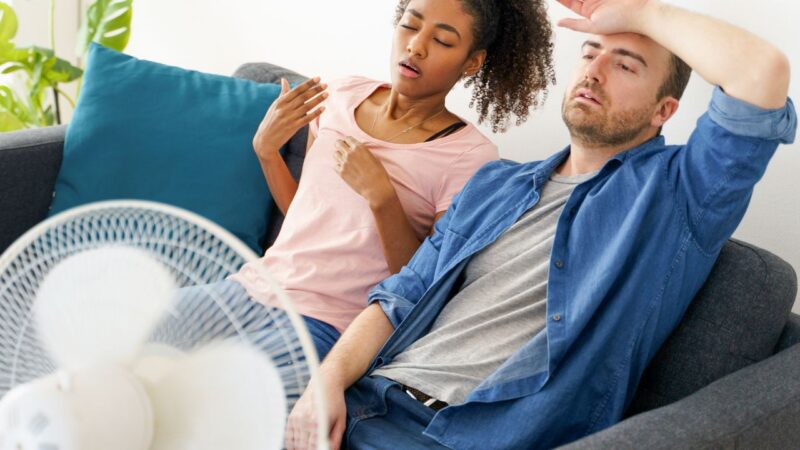
With hot weather forecast for the late May bank holiday weekend and half term, people across south west London are reminded of simple ways to stay safe in the heat.
The NHS is encouraging people to enjoy the warmer weather safely, especially families with children who may be spending more time outdoors during the school break.
People are also being asked to check in on older relatives, friends and neighbours, and anyone with long-term health conditions, as they are more likely to become unwell in high temperatures.
Drink plenty of water, try to stay in the shade during the hottest parts of the day, wear sun cream, and take extra care with babies, children, older people and anyone with a long-term health condition.”
Dr Nicola Jones, Chief Medical Officer for NHS South West London, said: “We hope people enjoy the bank holiday weekend and half term. If you are heading out with children, visiting family, spending time in the garden or going to local events, please take a few simple steps to stay safe in the heat.
“Drink plenty of water, try to stay in the shade during the hottest parts of the day, wear sunscreen and take extra care with babies, children, older people and anyone with a long-term health condition.
“It is also worth checking in on relatives, friends or neighbours who may find the heat harder to cope with.
“If you need medical help or advice, your local pharmacy can help with a range of minor health conditions.
“For urgent help, please go to 111.nhs.uk first, unless it is a life-threatening emergency in which case, call 999.
Top tips for coping in hot weather
- Keep out of the heat if you can.
- If you have to go outside, stay in the shade especially between 11am and 3pm, wear sunscreen, a hat and light clothes, and avoid exercise or activity that makes you hotter.
- Cool yourself down. Have cold food and drinks, avoid alcohol, caffeine and hot drinks, and have a cool shower or put cool water on your skin or clothes.
- Keep your living space cool. Close windows during the day and open them at night when the temperature outside has gone down.
How to spot if someone has heat exhaustion
Heat exhaustion is a heat-related illness that can occur after you’ve been exposed to high temperatures. If someone is showing signs of heat exhaustion, they need to be cooled down and given fluids.
Make sure you know the signs of heat exhaustion:
- Headache
- Dizziness or confusion
- Loss of appetite and feeling sick
- Excessive sweating
- Cramps
- Being very thirsty
- A high temperature
- Fast breathing or pulse
If you spot these symptoms in someone, cool them down, get them to drink plenty of water and stay with them until they’re better.
Find more on how to treat somebody with heat exhaustion at nhs.uk
Tips if hot weather sets off your asthma
- Keep taking your regular preventer inhaler so you’re less likely to get symptoms. And carry your reliever inhaler with you at all times so you’re ready if symptoms do come on.
- Go for regular asthma reviews to check you’re on the right meds for you, and you’re taking your inhalers in the best way to get the benefits through the summer months.
- Use your written asthma action plan so you know what to do if hot weather triggers symptoms.
- If you’re using your reliever inhaler three or more times a week, or you’ve noticed the hot weather has made your symptoms worse, book an extra catch-up with your doctor or asthma nurse.
- Keep inhalers in a cool place out of direct sunlight so they continue to work well. Try keeping your reliever in a cool bag when you’re out and about on a hot day. Don’t add any ice to the bag because your inhaler needs to be kept dry.
- Keep an eye on pollen forecasts and find out more about why staying on top of your hay fever symptoms with antihistamines is good for your asthma too.
- Plan any outdoor activities for earlier in the day when the air quality tends to be better, including exercise.
Tips if you have hayfever
- Your local pharmacy can help with advice and over the counter medicine around hayfever.
- Wear wraparound sunglasses to stop pollen getting into your eyes.
- Shower and change your clothes after you have been outside to wash pollen off.
- Stay indoors whenever possible and keep windows and doors shut as much as possible.
- Vacuum regularly and dust with a damp cloth.
- Do not cut or walk on grass or keep fresh flowers in the house.
- Do not smoke or be around smoke – it makes your symptoms worse.
- Do not dry clothes outside – they can catch pollen.
Visit nhs.uk to find out what you can do to ease your hay fever symptoms.
Insect bites and stings
- Most insect bites and stings are not serious and will get better within a few hours or days.
Visit nhs.uk for advice on what to do if you’ve been bitten of stung.